How We Work: Event Production From First Brief to Final Load Out
Not every event needs the same level of support. Here are the five levels we work across, what full production includes, and how we run a job from the first message to packing down.
Published · Updated · Malta DJ Events
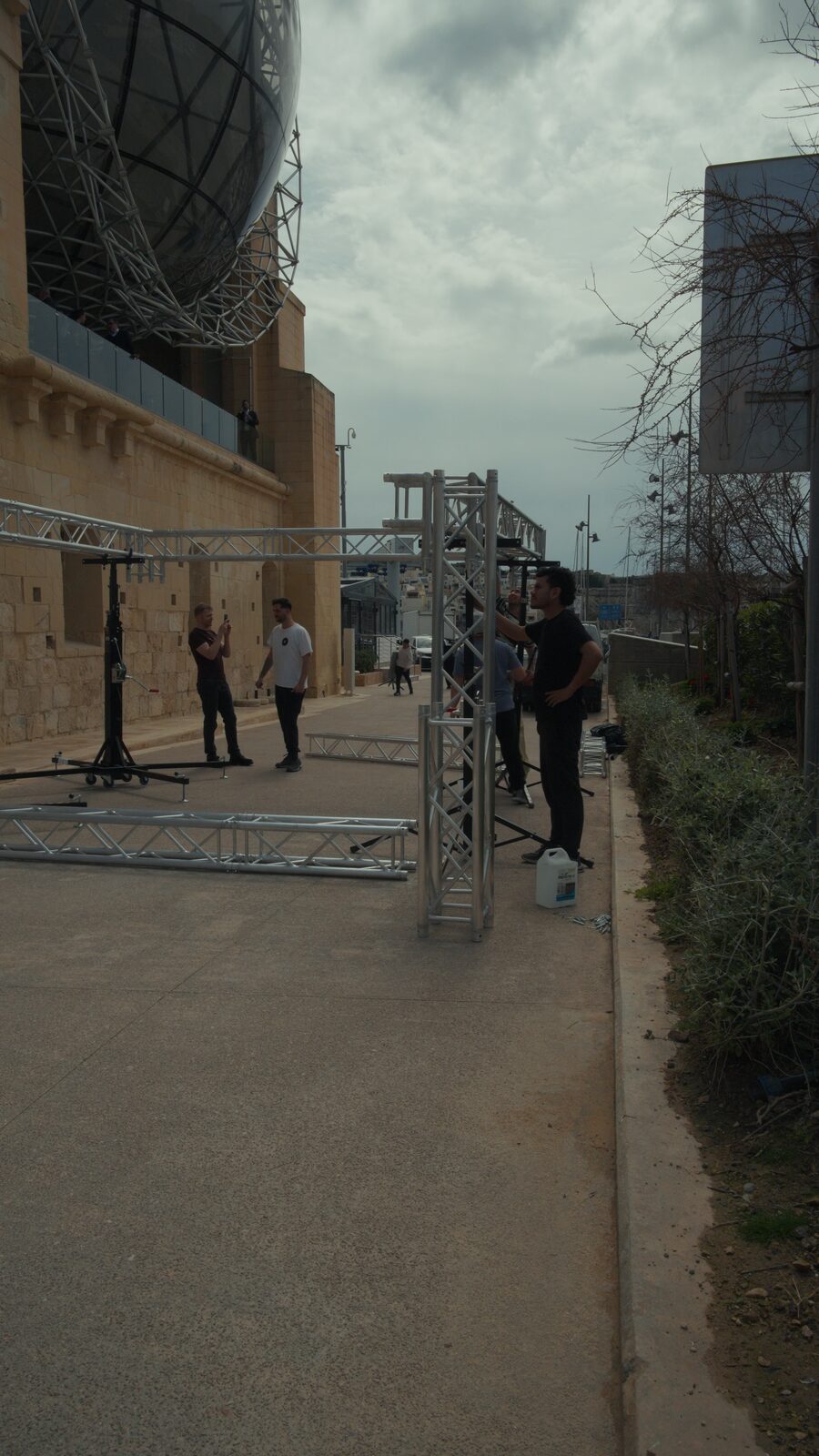
People come to us at very different stages. Some know exactly what they need and just want the gear. Others hand us a venue, a date and a guest list and ask us to handle everything. Both are welcome, and both get the same care. To make that possible we work across five levels of production, so the service matches the venue, the complexity of the event and how involved you want us to be.
Five levels of production
Level one is dry hire. You collect the equipment, or we deliver it, and your own team sets it up and runs it. This suits professional DJs, technicians and production companies who already know what they need.
Level two is hire with setup. We deliver to the venue, install everything, test it and leave it ready to use. Your team operates it on the night. This works well for villas, restaurants and venues that want a reliable setup without a technician standing by.
Level three is simple production. We provide the sound, the lighting and the technical coordination for a straightforward event, including speaking to your DJ, band, venue or planner beforehand and basic support on site. Ideal for smaller weddings, dinners and corporate presentations.
Level four is medium production. For events with several technical areas or suppliers, we take on the technical design, the planning, the supplier coordination and the documentation. This is where most larger weddings, brand activations and multi area events sit.
Level five is full production. We study the venue, prepare technical plans, coordinate with planners, venues, artists and suppliers, and build a detailed production schedule covering access, setup, rehearsals and operation. It can include multiple areas, temporary structures, generators and full power management. This is the level for large weddings, premium private events and complex productions.
One event often needs different levels in different areas. A ceremony might need level two while the party needs level four. We combine them so you are only paying for the support each area actually needs.
What full production includes
A complete production brings together technical design, professional equipment, an experienced crew and detailed coordination. Depending on the project that means staging and scenic build, from DJ platforms and risers to backdrops and temporary structures. Professional sound, with system design, speakers, subwoofers, digital consoles, wireless microphones and live sound engineering. Event lighting, covering architectural and decorative lighting, stage and dancefloor lighting, moving lights and programmed scenes.
It also covers structures and rigging, with truss, towers and suspended systems to carry sound, lighting and video. Power distribution, meaning proper electrical planning, cable management and protection across every production area. Generators where a venue has no power or the event is outdoors. Video and LED screens, from LED walls and projection to presentation displays and camera feeds. Plans and visualisations so you, your planner and the venue can see the result before we build it. And the technical crew who make it all run, from project managers and sound engineers to lighting technicians and installers.
Our production process
Good production starts long before the van arrives. First comes the brief, where we collect the essentials: venue, date, guest count, the running order, the entertainment programme and any technical requirements. Then, when a job calls for it, a site visit to assess access, sound restrictions, electrical capacity, setup areas and weather exposure.
Next is technical design, where we define the right sound, lighting, video, staging, power and structural solutions. Then planning and coordination with you, your planner, the venue, the artists and any other suppliers, including plans, schedules and production documents on bigger projects.
On the day, installation and testing happens well before guests arrive, so everything is proven working rather than hoped for. During the event our crew operates the production, managing sound, lighting, video and power and keeping the different areas talking to each other. Afterwards we dismantle and remove everything safely, to the venue schedule.
Why the process matters
All of this exists for one reason: to remove uncertainty. When the design is right, the planning is done and the equipment is tested hours early, nothing dramatic happens on the night. That is the whole point. You should be dancing, not wondering whether the sound will hold up.
If you are not sure which level your event needs, just tell us the date, the venue and roughly how many guests. We will tell you honestly what the job actually requires, and quote for that.